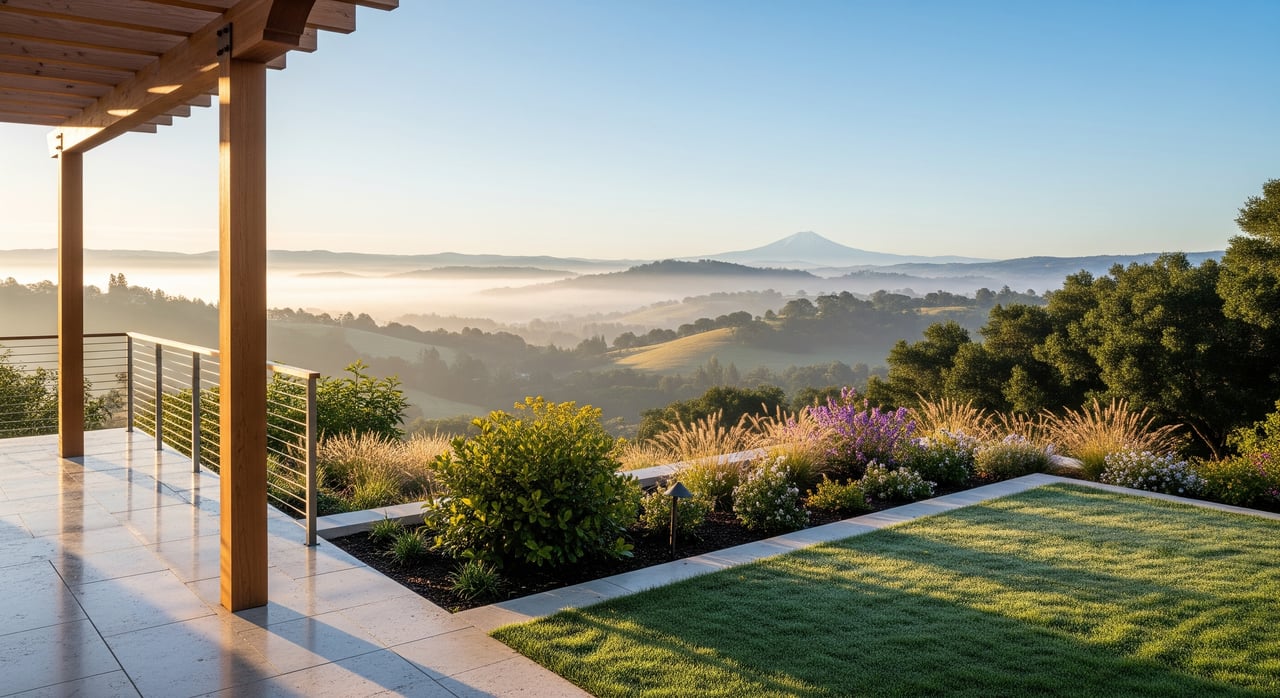
Why does one Lafayette backyard stay cool while another, just a few blocks away, bakes in the afternoon sun? If you live or plan to buy here, those shifts can shape your daily comfort, garden choices, energy bills, and even how you stage a home for sale. You deserve clarity on what drives these differences and how to use them to your advantage. This guide breaks down Lafayette’s microclimates, shows what to look for in each neighborhood type, and gives practical checklists for buyers and sellers. Let’s dive in.
Lafayette’s microclimate basics
Lafayette sits along the East Bay’s coastal hills, where the Bay’s marine influence meets inland valleys. That mix of ridges, canyons, and water bodies creates sharp climate changes over short distances. You will notice cooler afternoons where the marine breeze reaches and warmer pockets where hills block that airflow.
Slope and orientation matter. South and southwest slopes receive more direct sun and often feel warmer and drier. North-facing slopes are shadier and cooler, and they typically hold more moisture.
Canyons, creek corridors, and the Lafayette Reservoir moderate temperatures and increase morning fog or low clouds nearby. At night, cooler air drains downslope into low areas, which can create colder pockets in hollows and canyon bottoms.
Wind patterns shift through the day and seasons. Afternoons often bring onshore breezes from the Bay. Ridgetops and open slopes can be breezier and more exposed, while hollows may feel calmer and retain warmth after sunset.
Vegetation influences temperature and comfort. Mature trees cool areas through shade and evapotranspiration. Exposed grasslands and paved surfaces heat up faster and dry out quickly.
Microclimate also interacts with wildfire exposure. Hotter, drier, windier slopes with dense vegetation have higher vulnerability. Review local hazard resources to understand parcel-level risk and plan defensible space.
How microclimates affect daily living
Yard and landscaping choices
A sunny south or southwest yard favors heat and drought tolerant plants, Mediterranean species, and raised beds with good drainage. In shaded, north-facing or canyon areas, shade and moisture loving plants such as ferns, camellias, and hydrangeas tend to do well.
Frost can occur in low-lying hollows and canyon bottoms. If you love citrus or frost sensitive plants, consider site protection or container placement. Plan irrigation by zone, since sun and shade areas need different schedules and cycle lengths.
Steep, exposed slopes dry out faster and can erode. Mulch, contour plantings, and well designed drainage help manage runoff. On sloped lots, retaining walls or targeted grading may be needed.
Energy, comfort, and solar
Solar access depends on roof orientation and shading from trees or ridges. South and southwest roof planes often provide the best photovoltaic yield when unshaded. A shading review is smart before you size a system.
Passive comfort varies by window orientation. South facing windows can warm interiors in winter yet need shading in summer. East facing spaces feel bright in the morning, while west facing rooms can heat up late on hot days.
Wind affects comfort and costs. Exposed ridgetop homes may lose heat faster in winter and benefit from stronger air sealing and insulation. Sheltered hollows can be calmer and retain warmth overnight. Ask for recent utility history to see seasonal patterns.
Outdoor living and routines
The best time to use a patio often depends on orientation. East facing patios are pleasant in the morning. West or south facing spaces may be perfect on cool evenings, but they can be hot on summer afternoons.
Riparian and wooded areas support more wildlife, which can affect landscaping and maintenance. Plan for plant protection and respectful defensible space practices where needed.
Safety and hazard awareness
Sun exposed, windy slopes with dense vegetation often carry higher wildfire and ember exposure. Understand your lot’s topography, vegetation, and access routes. Use official maps and guidelines to plan mitigation and ongoing upkeep.
Neighborhood patterns to know
These are general patterns to help you focus your search. Always verify conditions on the specific property.
Downtown and BART corridor
Central Lafayette is typically more sheltered with a balance of sun and shade. Urban canopy and neighborhood trees can moderate heat. Outdoor staging is simple here, since conditions tend to be moderate.
Happy Valley and Burton Valley
You will find mixed aspects and some influence from nearby creeks and the reservoir. Certain pockets feel cooler with more morning fog. Yards often need varied plantings and multiple irrigation zones to balance sun and shade.
Sleepy Hollow and reservoir areas
Canyon topography and reservoir proximity bring cooler, shadier tendencies. Nighttime drainage winds can be noticeable in some spots. Shade tolerant landscaping thrives, though tree cover may limit solar potential on certain roofs.
Ridge tops and open slopes
Higher elevations get more sun and wind with faster drainage. Solar potential is attractive where roofs are unshaded. Expect more exposure to drought stress and ember risk, and stage outdoor spaces with wind tolerant furnishings.
Canyons near Moraga and Orinda
Canyons funnel breezes and create distinct cold pockets. East west canyon orientation shapes which decks and gardens get morning or evening sun. Many buyers like these areas for privacy and cooler summers, but irrigation and seasonal shade need attention.
Smart checks for buyers
- Ask for 12 to 24 months of utility bills to see seasonal peaks and trends.
- Request a solar and shading assessment if PV is a priority.
- Review HVAC service history, insulation, and air sealing upgrades. Ask if the system was sized for the home’s exposure and elevation.
- Walk the property to spot frost pockets, drainage channels, and slope stability. Review county resources for flood, landslide, and fire hazards.
- Ask which plants thrive or struggle, how irrigation is zoned, and what landscape changes were made recently.
Listing tips for sellers
- Call out when and where outdoor spaces shine. Try simple lines like “sunny morning deck” or “cool afternoon patio” and show it in photos.
- Label listing photos or create a simple diagram that shows sun and shade at morning, midday, and late afternoon.
- If you have solar or energy upgrades, include a concise production or savings statement and roof shading visuals.
- Map irrigation zones and label the controller. Note any drainage fixes, erosion control, or slope work you have completed.
- Stage for the setting. Use shade tolerant plants and tranquil furniture for cool, wooded yards. For sunny yards, emphasize drought tolerant landscaping and provide shade options for seating.
- Disclose known conditions such as recurring frost, standing water, past slope movement, or wildfire mitigation steps.
Quick on property tests
- Visit at three times: 8 to 10 a.m., noon to 2 p.m., and 5 to 7 p.m. Note sun, shade, and wind.
- Look for persistent morning dew or fog in low areas that may signal a cold pocket.
- After rain, check for standing water, runoff paths, and any slope erosion.
- Inspect trees that shade south or southwest roof planes if you plan to add solar.
Simple visuals that help buyers
- A property sun and shade diagram showing seasonal sun paths and midday shade.
- An aspect sketch that highlights south, west, north, and east facing slopes on your lot.
- A basic elevation or street profile marking high spots and likely low, cool pockets.
- Arrows showing typical afternoon onshore breezes and nighttime drainage flow.
- An overlay of roof planes and shading trees to illustrate solar potential before and after trimming.
- A neighborhood microclimate map that labels zones such as cool canyon, sheltered valley, or sunny ridge.
Make Lafayette’s microclimate work for you
Microclimates do not have to be a mystery. With a little observation and the right questions, you can match a home’s setting to your lifestyle, plan smarter landscaping, and manage energy use with confidence. If you are selling, spotlighting the right outdoor moments and upgrades can help your home stand out for the right reasons.
If you want guidance tailored to your lot and goals, connect with the Dana Weiler Team. We offer neighborhood rooted advice, thoughtful listing prep, and access to trusted contractors and specialists so you can make clear, confident decisions.
FAQs
Which Lafayette neighborhoods are the sunniest?
- Exposed ridgetops and south facing slopes usually receive the most direct sun, while sheltered valleys and canyon bottoms see less sun and stay cooler. Always verify at the property level.
How does roof orientation affect solar panels in Lafayette?
- South and southwest roof planes typically produce the most energy when unshaded. East and west can work with different generation profiles, and tree or ridge shading is often the limiting factor.
Will a canyon lot feel cold or damp for gardening in Lafayette?
- Canyons are usually cooler with more shade and moisture, which suits shade loving plants but can limit sun for vegetables or citrus. Raised beds and tuned irrigation help.
Are frost and freezes a concern in Lafayette?
- The climate is generally mild, but low lying hollows and canyon bottoms can see colder nights and occasional frost. Protect sensitive plants and review parcel specific history when possible.
How does Lafayette’s microclimate relate to wildfire risk?
- Hot, dry, and windy sun exposed slopes with dense fuels tend to carry higher risk. Microclimate also shapes ember exposure and vegetation moisture, so pair landscaping with defensible space practices.