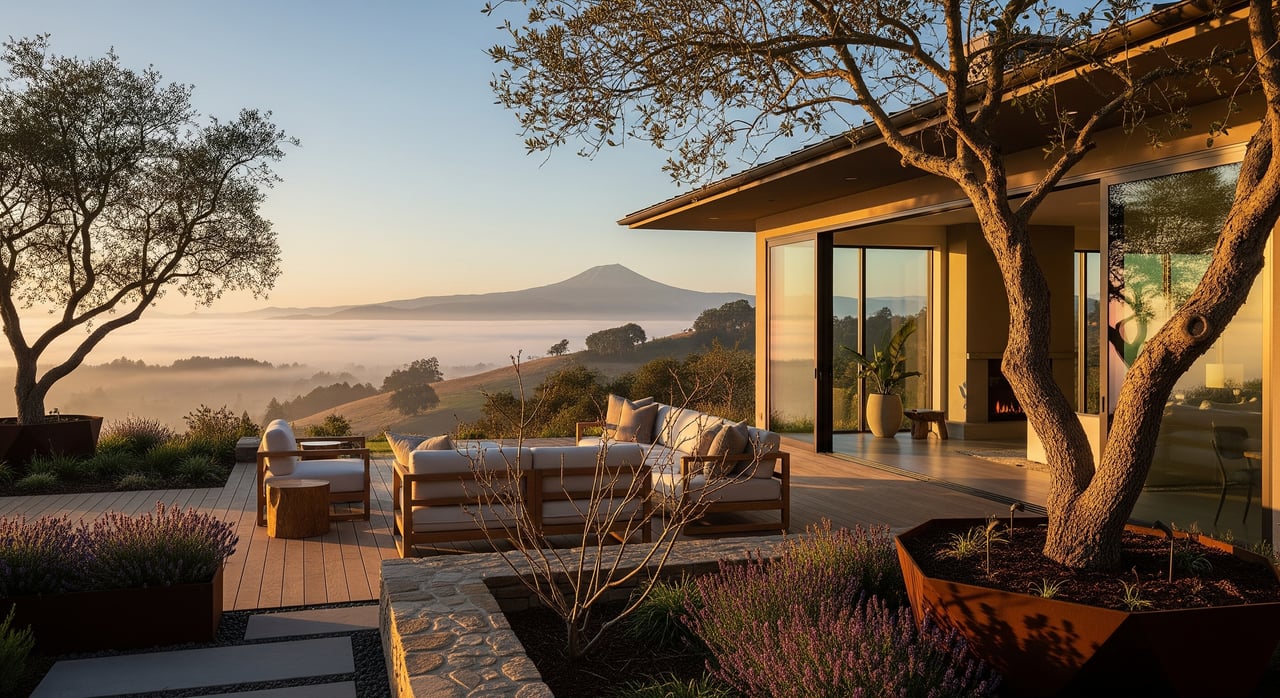
Is it really cooler two blocks over? In Lafayette, the answer is often yes. Between the Bay’s morning marine layer, hillside shadows, and creek corridors, you can feel a real change in temperature and sun exposure from one street to the next. If you are exploring homes here, understanding these microclimates helps you choose a property that fits how you live and what you value day to day. In this guide, you will learn what creates Lafayette’s microclimates, how they affect sunlight, yards, energy use, wildfire exposure, and how to evaluate a home before you make an offer. Let’s dive in.
What creates Lafayette microclimates
Lafayette sits in a Mediterranean climate zone with warm, dry summers and cool, wetter winters. Local geography adds layers of variation that you will notice as you tour homes.
- Topography and slope aspect. South and west slopes soak up more afternoon sun and tend to be warmer and drier. North-facing slopes and canyon bottoms are cooler, with more shade and moisture.
- Marine layer and breezes. Cool, foggy air often pushes inland in the morning. Ridges can block or funnel this flow, so lower-lying pockets may start the day cooler while nearby hillsides warm earlier.
- Elevation and cold-air drainage. At night and in winter, cold air pools in valleys and low spots. These pockets can see light frost even when nearby ridges remain frost free.
- Vegetation and canopy. Mature oaks and dense tree cover provide shade and cooling, increase humidity, and reduce the swing between daytime and nighttime temperatures.
- Creeks and wetlands. Areas near Lafayette Creek and riparian corridors can feel cooler and more humid, and they often need closer attention to drainage and frost.
The key takeaway: temperature, wind, fog, and sun can shift block by block. That affects how a home feels inside, how you use outdoor spaces, and what it costs to heat and cool.
Why microclimate matters when you buy
Sunlight and solar potential
Sun exposure shapes everything from natural light to roof-top solar.
- Orientation matters. South and west exposures bring strong sun, which can help with winter warmth and solar production. North-facing yards and facades see less direct sun, which changes how bright rooms feel and what plants thrive.
- Shading reduces output. Hill shadows, neighboring trees, and roof elements can cut usable sun hours. Even one large tree can lower solar production.
- Plan solar smart. If solar is a priority, use tools like the NREL PVWatts calculator to estimate potential and confirm shading during inspections. Local fog patterns and morning marine layer can reduce annual output in some pockets compared with sunnier streets in the same city.
For a broader view of typical conditions, public datasets such as NOAA climate normals and PRISM climate maps help you understand regional patterns before you dig into a specific property.
Yard use and landscaping
Microclimate often decides what grows and how comfortable your yard feels.
- Plants by exposure. Sun-soaked slopes tend to favor Mediterranean and drought-tolerant choices. Shaded, north-facing or heavily treed spots do better with shade-tolerant natives.
- Irrigation and turf. Windy, sunny sites need more water and can stress lawns in summer. Cool, shaded lawns may face moss or turf disease.
- Frost pockets. Low-lying canyon or valley areas can see light frost in colder winters. Place frost-sensitive plants and citrus accordingly.
- Drainage and erosion. Steep lots call for careful runoff control and retaining solutions. Near creeks, expect soggy sections after storms and plan for drainage improvements. For local guidance, review Contra Costa County flood information and the City of Lafayette planning and tree regulations before making changes. For plant choices by microclimate, consult UC ANR Master Gardener resources.
Energy, comfort, and building systems
The same home can perform very differently depending on sun, shade, and wind exposure.
- Heating and cooling loads. Sunny, exposed homes typically need more cooling in summer. Shaded canyon homes may need more heating in winter.
- Passive gains and overheating. South-facing glass and thermal mass help comfort in winter if shading is well designed. Large west-facing windows without shading can overheat on summer afternoons.
- Envelope and systems. Microclimate should inform insulation levels, window choices, HVAC sizing, and attic ventilation. Windier ridge locations often need tighter air sealing than sheltered basins.
Moisture and maintenance
Cooler, shaded, and humid areas deserve extra inspection time.
- Mold and moss risk. North slopes and riparian corridors can stay damp longer, which increases the chance of moss on roofs and decks, and potential mold if water management is weak.
- Water management. Pay close attention to roof condition, gutter sizing, flashing, downspout extensions, and grading. Where uphill runoff concentrates, basements and crawlspaces can see higher moisture loads.
Wildfire exposure and utilities
Wildfire risk varies by slope, vegetation, and location.
- Parcel-level risk. Drier slopes or brushy hillsides can carry higher exposure. Review the Cal Fire Wildfire Hazard Severity Zone maps and follow local fire department guidance on defensible space.
- PSPS and reliability. In higher-risk conditions, utilities may initiate Public Safety Power Shutoffs that affect HVAC, sump pumps, and well pumps. Get familiar with PG&E PSPS resources as you weigh backup power and preparedness for a given property.
For landscape fuel considerations near open space, the East Bay Regional Park District Briones resource provides helpful local context.
Daily lifestyle effects
Microclimate shapes simple routines more than you might expect.
- Morning fog can shift your dog walk or garden time.
- Hilltops and ridgelines are often windier and noisier, while sheltered basins are quieter and may feel more humid.
- Proximity to creeks and parks can change encounters with wildlife and insects. Managing standing water reduces mosquito breeding.
How to evaluate a home's microclimate
What to check on site
Visit at least twice if you can, at different times of day.
- Visit at multiple times. Morning, mid-afternoon, and evening show different sun and wind patterns.
- Track sun and shade. Note which areas are sunny at 9 am, noon, and 4 pm. Use a phone compass or a sun-path app to estimate orientation.
- Look for dampness. Check for moss, algae, staining on foundations, pooled water after rain, and grading that directs water away from the home.
- Assess trees and brush. Identify large trees near structures, branches over the roof, and brush on slopes that could affect fire risk or shade.
- Inspect attic and HVAC. If accessible, look for insulation levels, attic ventilation, condensation history, and the age and condition of heating and cooling equipment.
- Scan the block. Notice wind patterns along streets, fog extent, and whether neighboring roofs show consistent mossing or heavy shade.
Questions to ask
- How do sun and shade move across the lot through the year? Any known frost pockets?
- Any history of drainage or foundation moisture issues? What mitigation was done?
- What is the age and service history of the HVAC, roof, gutters, and any solar?
- Any wildfire concerns or brush-management notices in recent years?
- Are there HOA or city rules about tree removal that could affect solar or light?
- How often do utility outages or PSPS events affect this area?
Data and maps that help
Use a few trusted sources to validate what you observe on site.
- Regional patterns: NOAA climate normals and PRISM climate maps
- Wildfire risk: Cal Fire hazard maps
- Flood and topography: Contra Costa County flood information and county GIS
- Local rules: City of Lafayette planning and tree regulations
- Planting guidance: UC ANR Master Gardener resources
- Utility reliability: PG&E PSPS resources
- Solar estimates: NREL PVWatts calculator
Pros to bring in
If microclimate factors are material to your decision, add experts to your inspection plan.
- Home inspector familiar with hillside and water-intrusion issues
- Energy auditor or HVAC specialist to model heating and cooling loads
- Certified arborist to assess large trees, roots, and fuel reduction options
- Landscape or irrigation pro for drought-tolerant designs and drainage solutions
- Civil engineer or drainage specialist for steep-slope runoff control
Offer strategies that protect you
You can bake microclimate intelligence into your offer and contingency plan.
- Time your visits. Schedule showings at different times and on different days to see sun, wind, and fog changes.
- Write focused contingencies. Include inspections that target roof, attic ventilation, drainage, and HVAC performance in the home’s conditions. Allow time for energy audits, arborist visits, or drainage evaluations if needed.
- Price for improvements. Estimate likely costs for shade mitigation, HVAC upgrades, backup power, drainage fixes, or tree work, and reflect that in your offer or request for credits.
- Verify solar potential. If solar is a must, require a shading analysis or dedicated solar evaluation during the inspection period. Shading can materially change the value of a “solar-ready” roof.
- Document wildfire steps. Ask for records of defensible-space work and consider requiring fuel reduction before close. Confirm insurability and any zone-related impacts.
- Clarify disclosures. Request full disclosure of past water intrusion, mold remediation, wildfire-related repairs, and utility outage history.
The bottom line
Microclimate is one of Lafayette’s advantages, as long as you match the home to your lifestyle. When you understand sun paths, wind, shade, drainage, and fire exposure for a specific property, you set yourself up for better comfort, smarter energy use, and fewer surprises after closing. If you want a street-by-street read on how a home will live across the seasons, we are here to help.
Ready to talk through a specific property or plan a microclimate-savvy search? Request a complimentary home consultation with Unknown Company.
FAQs
Microclimates and mold risk in Lafayette homes
- Cool, shaded, and humid pockets are more prone to moss and mold, so check drainage, ventilation, and sun exposure, and review maintenance records closely.
Solar panels on shaded Lafayette roofs
- You can install solar on some shaded roofs, but output will be lower, so use a shading analysis and tools like PVWatts, and factor tree rules into your plan.
Temperature differences across Lafayette neighborhoods
- Differences of several degrees are common due to slope, fog, and wind, which is enough to change plant success, outdoor comfort, and HVAC cycling.
Wildfire risk in Lafayette home shopping
- Risk varies by parcel and vegetation; review Cal Fire hazard maps, ask about defensible space, and consider backup power for PSPS conditions.
South-facing yards and outdoor use in Lafayette
- South-facing yards offer more sun and longer seasonal use, but they can run hotter and drier in summer, so plan shade, irrigation, and privacy accordingly.