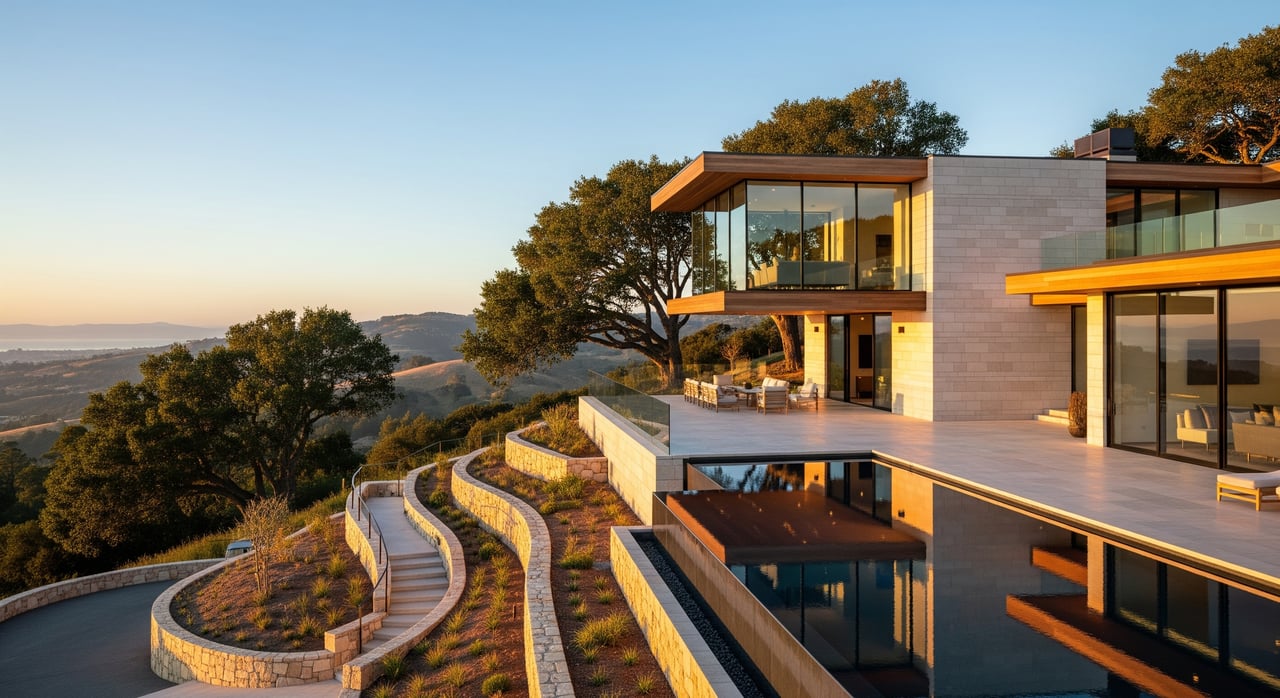
Those sweeping ridge views in Orinda can feel irresistible. If you are weighing a hillside home, it helps to look past the panorama and understand how the site, structure, and permitting affect daily living and long‑term costs. In this guide, you will learn the real benefits, the practical trade‑offs, key hazard and insurance considerations, and what to check before you write an offer. You will also find local permitting resources to help you plan future decks, terraces, and grading. Let’s dive in.
Why hillside living appeals in Orinda
Hillside properties often deliver wide views of oak‑studded hills, regional open space, and portions of the Bay. That sense of visual privacy and reduced street noise is a major lifestyle draw. Sloped lots can also bring better daylight, especially on south‑facing aspects, which makes decks and terraces inviting throughout the day.
You will likely trade a big flat lawn for multi‑level outdoor living. Terraces, observation platforms, and thoughtfully designed decks create usable spaces where flat land is limited. If views are a top priority for you, document the view lines during your visits since trees or future construction can change sightlines over time.
Key trade‑offs to evaluate
Access and driveways
Driveways on steep lots can be narrow, long, or include switchbacks. This affects daily convenience, winter traction, and turning radius for larger vehicles. Emergency access is a planning factor on winding streets, so note evacuation routes and how a long driveway might impact response time.
Usable outdoor area
Creating flat space usually requires terraces and retaining walls. These improve livability but add upfront construction and ongoing maintenance costs. Pools are possible on slopes, although they typically need deeper supports and more engineering, which raises budgets.
Foundations and slope stability
Hillside homes often rely on specialized foundation systems, deep piers, or substantial retaining walls. If you see cracks, sloping floors, or doors that bind, flag them for a geotechnical review. Older engineered slopes and walls may be due for reinforcement or replacement.
Drainage and erosion
Drainage design is critical on slopes. Surface and subsurface systems help prevent saturation that can trigger movement and undermine foundations. Shared drainage paths and downhill neighbors add complexity, and recorded drainage easements are common.
Vegetation and trees
Mature trees can be protected and may limit grading or require an arborist plan. Vegetation also ties into fire fuel management and defensible space maintenance. Plan for routine landscape care that supports both slope stability and fire preparedness.
Utilities and services
Most homes connect to municipal sewer, but confirm your specific service and any private laterals. Steep terrain can mean longer runs for water, gas, electricity, and communications. Access for utility work may be more involved on tight or elevated sites.
Noise, traffic, and walkability
Hills typically reduce through traffic, which helps with quiet enjoyment. The trade‑off is less walkability and potentially longer, winding drives to retail, parks, or transit. Factor drive times and delivery logistics into your day‑to‑day planning.
Wildfire, landslides, and insurance
Much of Orinda’s hillsides carry elevated wildfire risk. Review the official Cal FIRE Fire Hazard Severity Zone maps and check local defensible‑space and evacuation guidance from the Moraga‑Orinda Fire District. Insurers may require home hardening or vegetation management, and in some cases coverage can be limited or more expensive.
Landslide susceptibility varies by micro‑area and site conditions. For regional context and mapping tools, consult the California Geological Survey landslide resources and the USGS Landslide Hazards Program. While flooding is less common on high ground, it is still wise to look up your parcel on the FEMA Map Service Center to understand any mapped flood zones.
Permits for decks, terraces, and grading
If you plan to add or rebuild a deck, terrace, or retaining wall, start early with city staff. Use the City of Orinda Planning page to confirm zoning, lot coverage, setbacks, height, and any hillside or design review. For permits, inspections, and submittal requirements, check Orinda Building Safety permits.
Typical submittals and approvals can include:
- Geotechnical report for slope stability and foundation recommendations.
- Structural engineering for decks, terraces, and retaining walls.
- Grading and drainage plans that show cut and fill, erosion control, and runoff routing.
- Arborist report or tree protection plan where significant trees are affected.
- Building permit for structures, grading permit above thresholds, and possible encroachment permit for work at the right‑of‑way.
- Staged inspections for footings and piers, framing, drainage, and final sign‑off.
Pre‑offer due‑diligence checklist
Consider these items before you submit an offer, or include them in contingencies:
- Seller disclosures that mention soils, drainage, historic slope movement, repairs, and insurance claims.
- Title and recorded easements, especially drainage and access easements that affect use.
- HOA CC&Rs if applicable, including rules on visible structures and tree removal.
- Home inspection with extra attention to foundations, retaining walls, interior cracks, and drainage evidence.
- Geotechnical engineer site walk for stability and feasibility on steep lots.
- Structural engineer review if you see substantial decks, terraces, or tall retaining walls.
- Arborist input when large or protected trees may impact plans.
- Confirm sewer and water connections and who maintains sewer laterals.
- Measure driveway gradient and turning clearance for large vehicles.
- Verify trash and recycling logistics and any private road maintenance.
- Review wildfire and evacuation resources from MOFD and get oriented to nearby fire stations.
- Obtain preliminary homeowners and wildfire insurance quotes to test availability and cost.
- Call Orinda Planning and Building for permit requirements and past permit history.
- Gather contractor estimates for likely work such as drainage fixes or wall replacement.
- Talk with neighbors about past slope issues or drainage patterns.
- Note sun exposure by time of day to understand deck and yard usability.
- Confirm lender requirements, since some loans call for additional inspections on hillside properties.
Costs and timelines to expect
Budget ranges vary by site, design, and access. These guidance ranges can help you plan:
- Geotechnical report: typically several thousand dollars depending on scope.
- Structural engineering drawings: a few thousand dollars for small decks or walls, more for complex structures.
- Permits and city fees: variable, and combined grading or encroachment fees can add up.
- Retaining wall replacement or major stabilization: tens of thousands to more than $100k based on height, materials, and access.
- Timelines: plan check can take weeks to months, and hillside construction often extends due to staging and access.
Resale and long‑term value
Views and privacy often support strong resale demand. At the same time, perceived hazards and maintenance needs can narrow the buyer pool. Documented, permitted improvements and a clean drainage history help future value, so keep records of geotechnical reports, permits, and inspections.
Local next steps
If you are considering an Orinda hillside property, line up your experts early. Start with the City of Orinda Planning and Building Safety teams for zoning, grading thresholds, and permit history. For defensible space and evacuation planning, contact the Moraga‑Orinda Fire District. A pre‑offer geotechnical feasibility review and an insurance availability check can save time and surprises.
When you want neighborhood‑specific insight, from typical driveway layouts to recent slope work and permitting patterns, connect with the Dana Weiler Team. We combine boutique, relationship‑first guidance with a trusted network of engineers, contractors, and lenders to help you move forward with confidence. Request a complimentary home consultation and let’s map the right path for your goals.
FAQs
Do Orinda hillside homes face higher wildfire risk?
- Many hilly, vegetated areas do. Check the official Cal FIRE Fire Hazard Severity Zone maps and review local guidance from the Moraga‑Orinda Fire District.
How do I verify landslide concerns near a property?
- Review regional mapping and resources from the California Geological Survey and the USGS Landslide Hazards Program, then engage a geotechnical engineer for a site‑specific assessment.
Will I need a geotechnical report for a new deck?
- Often on steep lots. The city frequently requires geotechnical input for slope stability and foundation design, so confirm with Orinda Building Safety permits.
Can I create a flat backyard on a steep lot?
- Usually through terracing and retaining walls rather than a large single flat yard, which adds cost and permitting. Discuss grading thresholds with City of Orinda Planning.
Are hillside homes more expensive to maintain long term?
- Generally yes due to retaining wall upkeep, drainage and erosion control, and vegetation management for fire safety. Budget for periodic inspections and maintenance to protect your investment.