If you are dreaming about more space in Alamo, acreage can feel like the best of both worlds: room to spread out and a strong sense of privacy. But buying a home with land is not the same as buying a typical suburban lot, especially in an unincorporated area where county rules, site conditions, and property infrastructure can shape what you can do next. Knowing what to check before you fall in love with a property can help you move forward with more confidence. Let’s dive in.
Why acreage in Alamo needs closer review
In Alamo, land-use and service questions often run through Contra Costa County because the community is unincorporated. That means zoning, setbacks, lot coverage, accessory structures, and map layers like creeks or fire-related features can all matter when you evaluate a property.
For you as a buyer, that changes the due diligence process. On a larger parcel, the lot itself is a major part of the purchase, not just the home sitting on it. Privacy and space are a big draw, but they often come with more upkeep, more review, and more parcel-specific questions.
Start with utilities and site systems
One of the first things to confirm is how the property is served. In Alamo, many homes are connected to EBMUD water and Central Contra Costa Sanitary District sewer service, but some parcels may rely on a private well, septic system, or another private arrangement.
That distinction matters more than many buyers expect. Public utilities can simplify ownership, while private systems may require testing, records, maintenance history, and agency review if you plan future improvements.
Ask where the water comes from
If the property uses a private well, Contra Costa Health’s Environmental Health division regulates well construction and testing. Existing wells require bacteriological testing, and new wells need pump and bacteria testing.
That means you should ask for current test results and any available well documentation early in the process. A beautiful setting can lose its shine quickly if the water system questions are still unanswered late in escrow.
Confirm sewer or septic details
If the parcel is on septic, due diligence should go beyond asking whether the system “works.” Contra Costa Health reviews septic systems through site and soil evaluation, perc testing, design review, and construction permitting, and the county notes that septic systems are generally pumped every three to five years.
You should ask for pumping records, repair history, permits, and any Environmental Health approvals tied to the system. It is also wise to learn whether there are abandoned septic components on site, since the county notes they can be a safety hazard.
Look closely at drainage and access
With acreage, drainage can affect both day-to-day maintenance and future projects. Contra Costa County Public Works says work affecting drainage systems or natural watercourses may require a permit.
You should also look for drainage swales, creek features, and utility corridors that could limit where you add amenities later. A large lot may offer more possibilities, but not every part of the parcel is always fully usable in the way buyers first imagine.
Check driveways, private roads, and fire access
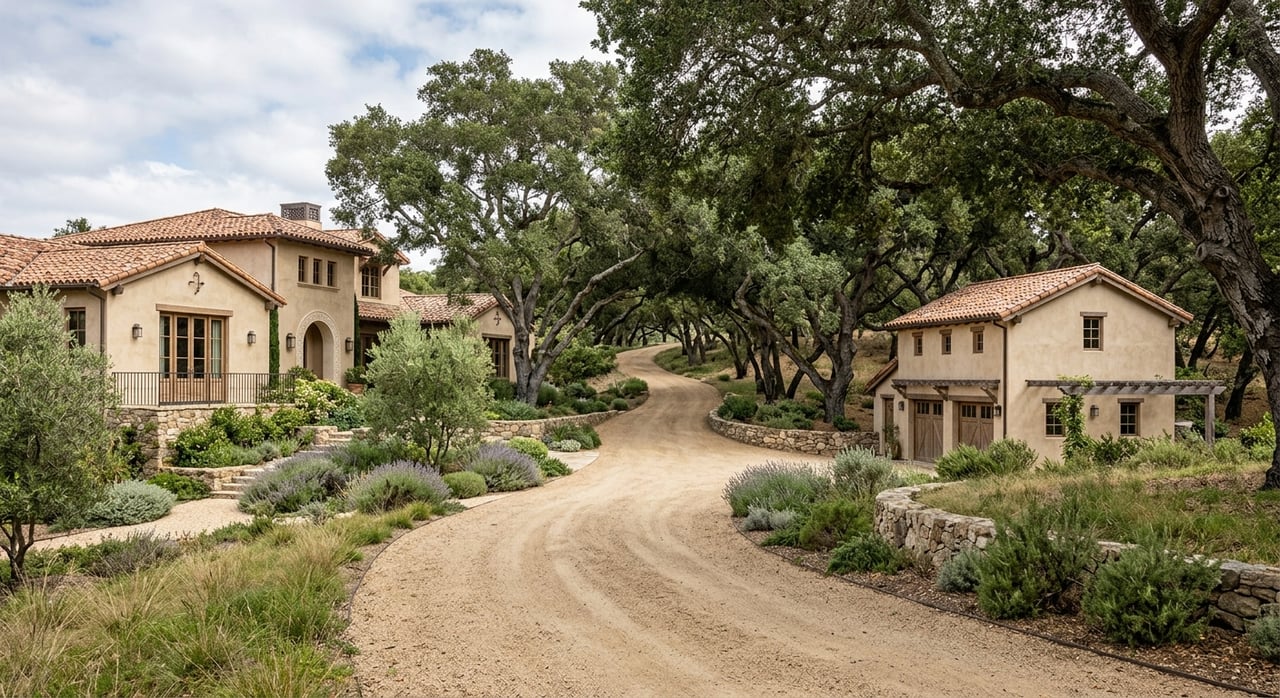
Long driveways and shared access roads can add charm and a sense of separation, but they deserve careful review. The San Ramon Valley Fire Protection District has rules covering fire apparatus access roads, driveways, streets, and bridges.
If a property has a private road, shared driveway, or gate, ask whether there is a maintenance agreement and whether access meets fire-district requirements. This is one of those details that can affect both daily convenience and future permitting.
Shared access can mean shared obligations
A private road arrangement may come with ongoing maintenance responsibilities. That is important for budgeting, but it is also important for understanding how repairs, resurfacing, or emergency access issues are handled.
Before removing contingencies, make sure you understand who maintains the road, how costs are split, and whether the agreement is documented. On acreage, access is not just a convenience issue. It is a property function issue.
Landscaping is more than curb appeal
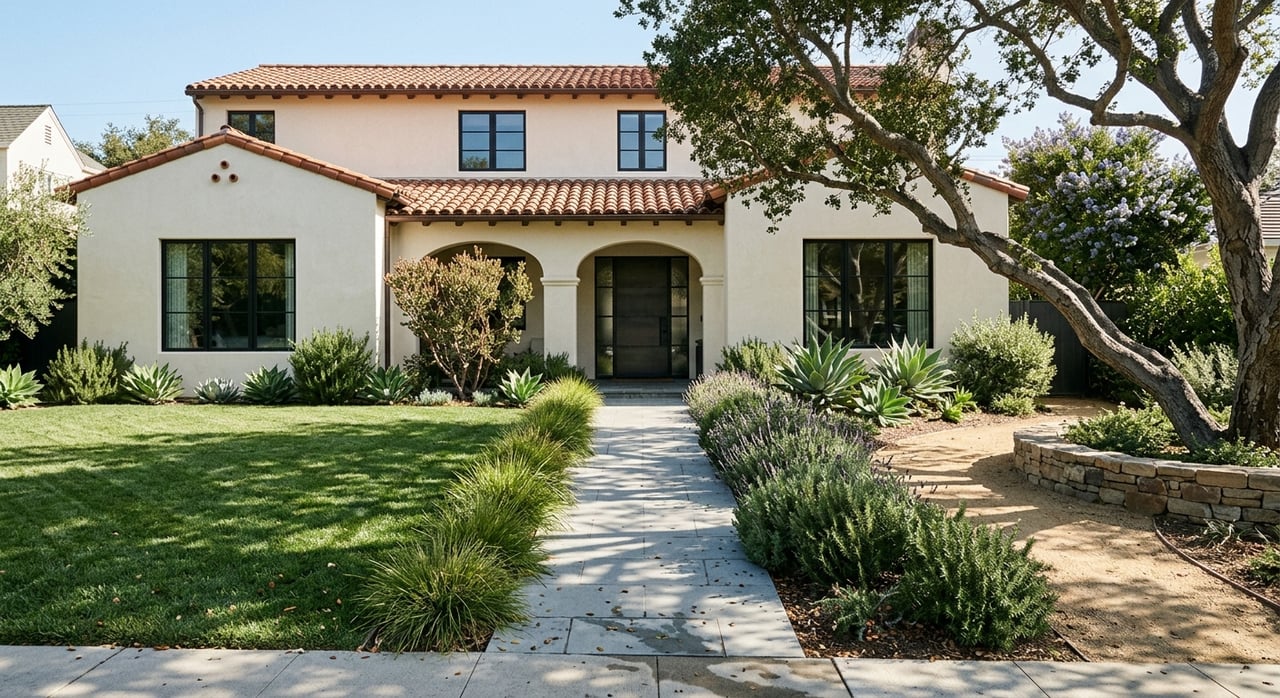
On a larger lot, landscaping becomes part of ownership in a bigger way. More land can mean more beauty and flexibility, but it also means more routine upkeep and more responsibility.
In unincorporated Contra Costa County, weeds over 18 inches can be a code-enforcement issue. The county also flags certain accessory-building and property-condition concerns, which makes general site maintenance part of protecting your investment.
Wildfire readiness matters in Alamo
In Alamo, wildfire preparedness should be part of your buying checklist from the start. The San Ramon Valley Fire Protection District’s exterior hazard abatement program is designed to reduce fire spread from one property to another, especially in wildland-urban interface areas.
Its wildfire-preparedness guidance covers home ignition zones, defensible space, fire-resistant construction, and evacuation planning. State law also requires defensible space where applicable, generally 100 feet from a structure in the State Responsibility Area or a Very High Fire Hazard Severity Zone, and CAL FIRE emphasizes the first 5 feet around a structure as especially important.
For you, the practical takeaway is simple: on acreage, landscaping is part of safety planning. Trees, brush, slope, and plantings are not just aesthetic features. They can affect maintenance costs, seasonal work, and how you prepare the property over time.
Review barns, sheds, and guest spaces carefully
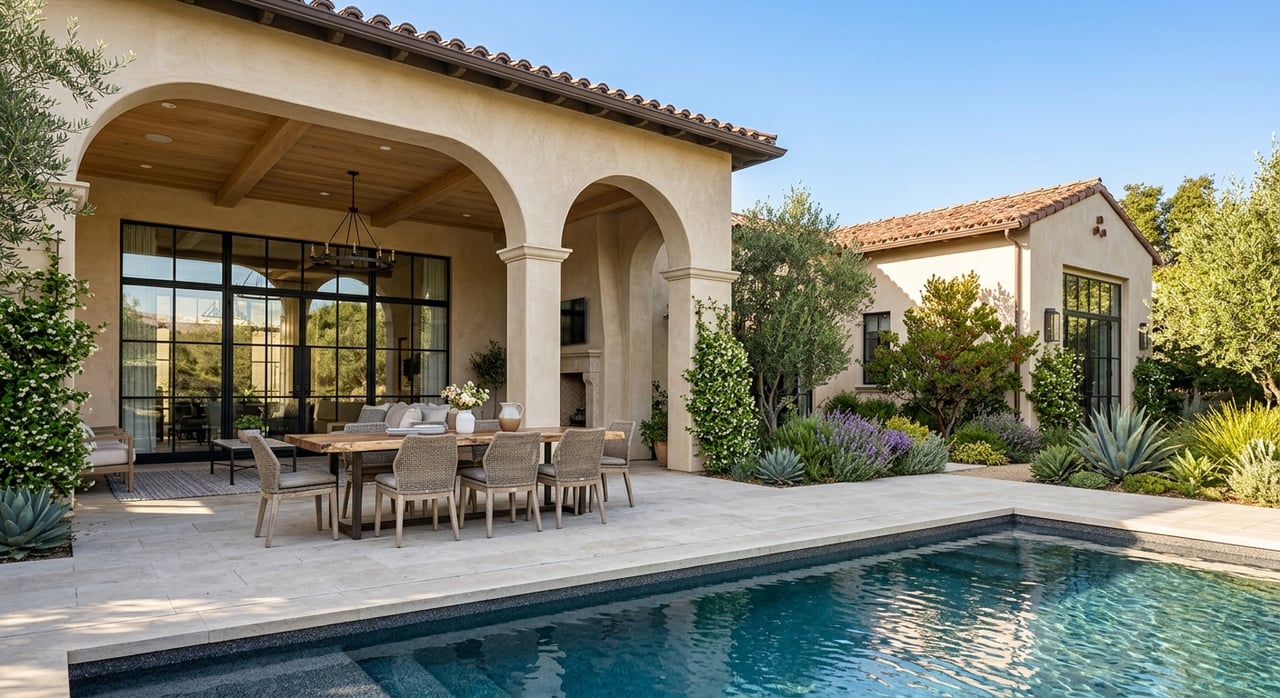
One of the most exciting parts of buying acreage is the possibility of extra structures and outdoor amenities. A workshop, barn, detached garage, pool area, pergola, or guest space can add flexibility and appeal.
But in Contra Costa County, these features often need more review than buyers expect. County permit guidance specifically lists projects like outdoor kitchens, pergolas, pavilions, decks, carports, garages, pools, ADUs, solar, backup generators, and retaining walls as improvements that may require permits.
Do not assume every structure is fully approved
Older outbuildings can be especially tricky. County code enforcement specifically mentions sheds, garages, and carports built too close to property lines, along with substandard structures used for living purposes.
That means a detached space that looks useful or charming should also be checked for permits and approved use. A barn, workshop, or converted room may not carry the approvals you assume it does.
ADUs need planning and building approval
ADUs are a great example of why paperwork matters. Contra Costa County says accessory dwelling units require both planning and building approvals, and some unpermitted ADUs may be legalized through the permit process.
If a property includes a guesthouse, cottage, or conversion, ask whether it was approved for its current use and whether final inspection records are available. When you buy acreage, lifestyle features should always be reviewed as document issues too.
Think ahead before planning improvements
A large lot often sparks ideas right away. You may picture a future pool, expanded patio, outdoor kitchen, garden structures, or additional parking.
Before you count on those plans, confirm how the parcel’s zoning, drainage, utility access, and fire-access requirements could affect them. Contra Costa County notes that some projects may also require sanitary approval if they would block access to sewer facilities for maintenance and repairs.
This is where early research can protect both your budget and your expectations. The more potential a property seems to have, the more important it is to verify what is truly feasible.
Inspections should go beyond the house
A standard home inspection is still important, but it is only part of the picture when you are buying acreage in Alamo. The land, systems, and structures around the home often need their own review.
Contra Costa Health handles Environmental Health review for septic properties and well-related oversight. The county also advises applicants to contact the relevant district early because fire-district approval may be required before permit issuance or final inspection on certain projects.
A smarter acreage due diligence checklist
Before removing contingencies, consider confirming:
- The water source and whether the home is on public water or a private well
- The sewer connection or septic system details, including maintenance records
- Recent well-test results, septic pumping records, and Environmental Health approvals if applicable
- Permit history for outbuildings, hardscape, ADUs, and site improvements
- Drainage features, creek areas, and utility corridors that may affect future plans
- Wildfire-related vegetation management and defensible-space considerations
- Fire-district access for driveways, private roads, gates, and bridges
- Private road or shared driveway maintenance agreements
Why local guidance helps on acreage purchases
Buying a home with acreage in Alamo is rarely just about square footage or finishes. You are also evaluating systems, access, maintenance, permitting, and the long-term usability of the land.
That is where local knowledge can make the process feel much more manageable. When you understand the county framework, the fire-district considerations, and the site-specific questions to ask, you can make a more informed decision and avoid surprises after closing.
If you are considering a home with acreage in Alamo, the right strategy is to look past the first impression and study how the property actually functions. For tailored guidance on Alamo homes, lot-specific due diligence, and what to watch for before you buy, connect with the Dana Weiler Team.
FAQs
What should buyers verify about utilities on acreage in Alamo?
- You should confirm whether the property is on EBMUD water and Central Contra Costa Sanitary District sewer service or uses a private well, septic system, or shared system.
What should buyers ask about septic systems on Alamo acreage properties?
- You should ask for septic pumping records, repair history, permits, and any Contra Costa Health Environmental Health approvals tied to the system.
What should buyers know about wells on Alamo acreage parcels?
- Contra Costa Health says existing wells require bacteriological testing, so buyers should ask for recent test results and available well documentation.
What should buyers check about outbuildings on acreage in Alamo?
- You should verify whether sheds, barns, garages, guest spaces, and other structures were permitted and approved for their current use.
What should buyers know about wildfire readiness for homes with acreage in Alamo?
- Buyers should review defensible-space needs, vegetation management, home ignition zone conditions, and whether access and site layout support wildfire preparedness.
What should buyers ask about driveways and private roads on Alamo acreage properties?
- You should ask whether the driveway or road meets fire-district requirements and whether there is a recorded maintenance agreement for ongoing upkeep.